Marks Gate Estate builders cleaning and waste guide Chadwell Heath
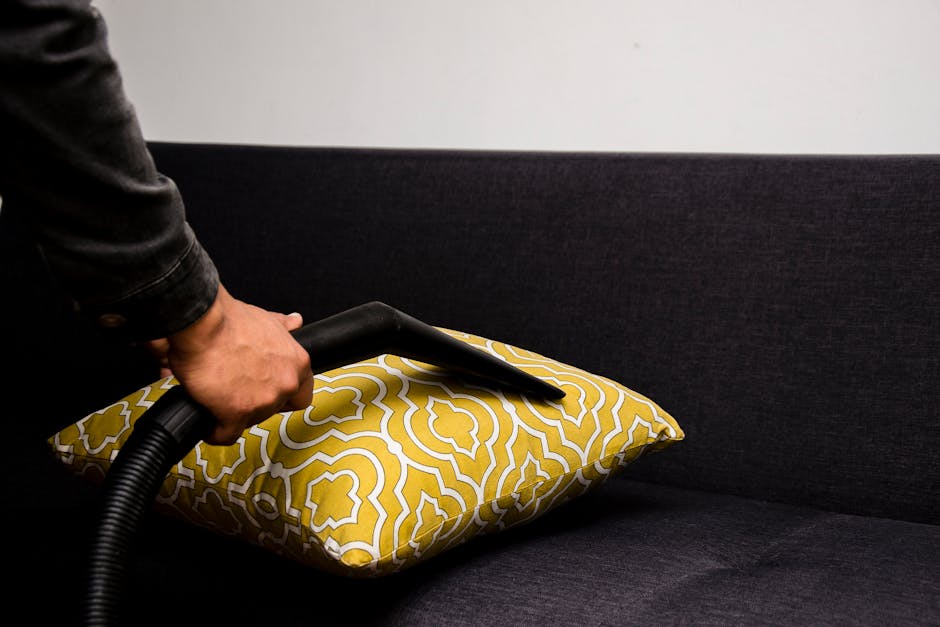
If you are dealing with dust, rubble, paint splashes, or the never-ending trail of packaging after a refurbishment, this guide is for you. The Marks Gate Estate builders cleaning and waste guide Chadwell Heath brings the practical side of post-build cleanup into one place: what to clear first, how to handle waste safely, what to leave to professionals, and how to avoid the usual headaches that come with building work. Let's face it, even a small project can leave a home or commercial space feeling like a construction zone. The good news? With the right process, it becomes manageable pretty quickly.
This article focuses on realistic, local-minded cleaning and waste control for properties around Marks Gate Estate and the wider Chadwell Heath area. You'll find step-by-step advice, a useful checklist, common mistakes, and a simple way to decide whether you should tackle the job yourself or bring in specialist help.
Why Marks Gate Estate builders cleaning and waste guide Chadwell Heath Matters
Builders cleaning is not just a cosmetic finish. It is the stage that turns a project from "nearly done" into "actually usable". In a busy residential pocket like Marks Gate Estate, that matters even more because dust travels fast, access can be tight, and shared walkways or entrances tend to show every bit of debris. One missed bag of rubble or a sloppy sweep-up can create problems for neighbours, landlords, contractors, and your own schedule.
Waste handling matters for another reason too: building waste is heavy, awkward, and often mixed. A bag that looks harmless can hide sharp offcuts, plaster dust, nails, or broken tile. If you sort it badly, you waste time. If you store it badly, you create a safety issue. And if you clear surfaces too early, dust can settle back onto freshly cleaned rooms. Annoying? Absolutely. Avoidable? Also yes.
For households and businesses in Chadwell Heath, a proper builders cleaning and waste plan helps reduce disruption, protect finishes, and get the space back to normal sooner. It also creates a cleaner handover when the work has been done by trades, which is a relief for everyone involved.
Expert summary: The best post-build results come from order, not speed. Clear waste first, control dust second, clean surfaces last, and only finish with fabric or floor treatments once the heavy work is out of the way.
How Marks Gate Estate builders cleaning and waste guide Chadwell Heath Works
A good builders cleanup follows a simple sequence. You don't start with polish and fragrances, tempting though that may be. You start with containment, then removal, then deep clean, then detail work. That order saves time and stops you chasing dust around the property all day.
Here's the basic flow most properties need:
- Assess the site - identify rubble, packaging, dust hotspots, wet spots, and any fragile finishes.
- Separate waste streams - keep timber, plasterboard, metal, plastics, and general rubbish apart where possible.
- Remove sharp or heavy items - nails, screws, tile pieces, and broken masonry first.
- Control dust - careful vacuuming, damp wiping where suitable, and sealing doors if needed.
- Deep clean hard surfaces - skirting, frames, ledges, sockets, switches, tiles, and floors.
- Deal with soft furnishings and fabrics - only once dust levels are under control.
- Final inspection - look for residue, scratches, smears, and waste left behind in corners.
In practice, builders cleaning is often a mix of domestic and commercial-style work. You might have plaster dust in a hallway, paint spots on a carpet, adhesive marks on a sofa, and rubble outside all in the same job. That is why services like steam carpet cleaning, upholstery cleaning, and stain removal can become useful after the obvious mess has gone. The floor may look fine at first glance, then you spot the faint grey haze that only appears in daylight. Bit of a nuisance, that.
Waste is usually handled alongside the clean, not after it. If you leave sacks, boards, and packaging in place while you clean around them, dust gets trapped at the edges and you end up repeating yourself. Not ideal.
Key Benefits and Practical Advantages
There are some very real advantages to handling builders cleaning and waste in a structured way. The biggest one is speed, but not the fake kind of speed that just moves mess from one room to another. Real speed means fewer repeat passes, fewer damaged surfaces, and less disruption for the people who live or work there.
- Safer spaces: fewer sharp objects, less loose debris, and reduced trip risk.
- Better finish quality: clean surfaces let paint, flooring, and fittings show properly.
- Less stress: a staged approach is easier to manage than one giant clean-up panic.
- Cleaner indoor air: dust control helps reduce that gritty feel on surfaces and in vents.
- Better waste sorting: separating waste can reduce double handling and make disposal easier.
- More predictable handover: useful when a landlord, tenant, contractor, or client is involved.
There is also a value point here. If you clean properly after builders have finished, you often protect the work that has just been paid for. New carpets, fresh upholstery, and newly painted walls all look better when the surrounding environment is not covered in residue. A carpet, for example, may need more than a surface vacuum if fine plaster dust has settled into the pile; in that case, a dedicated carpet cleaning approach may be the smarter move.
And yes, sometimes the benefit is simply peace of mind. You can open the room, take one proper breath, and not feel like you're standing inside a cement mixer.
Who This Is For and When It Makes Sense
This guide is relevant to a fairly broad group of people. If any of the scenarios below sound familiar, you're in the right place.
- Homeowners after an extension, loft conversion, kitchen refit, or bathroom upgrade.
- Landlords and letting agents preparing a property for new tenants after building work.
- Trades and contractors who need a sensible handover clean before signing off.
- Small businesses fitting out offices, treatment rooms, shops, or shared workspaces.
- Residents on Marks Gate Estate who need dust and waste controlled without causing extra disruption.
It makes sense whenever the job has left mixed waste, visible residue, or dusty surfaces that won't respond to a quick sweep. It also makes sense if you've noticed that the easy part is over, but the finishing work is now eating your time. That's usually the moment people realise post-build cleanup is a job in its own right.
If the work includes heavier commercial or shared-premises areas, it may be worth reviewing broader property upkeep through commercial carpet cleaning and general fabric care options as well. In busy premises, dust and foot traffic can turn a nearly clean site into a tired-looking one very quickly.
Step-by-Step Guidance
Below is a practical order of operations you can use on most builders cleaning jobs around Chadwell Heath. Adapt it to the size of the property, but keep the sequence. It really does help.
1. Walk the site before touching anything
Do a calm, slow walkthrough. Look for hazards, blocked access, fragile fittings, damp areas, paint drips, and waste that needs lifting before anything else. Take note of where dust seems to have collected. Window sills, tops of doors, extractor covers, and skirting edges are classic traps.
2. Remove the obvious waste first
Collect packaging, offcuts, empty tubs, tape, wrappings, and loose debris. Heavy items should be moved carefully and with the right lifting technique. If you can sort waste as you go, even better. Keep the site tidy enough that you can actually see what you are working on.
3. Tackle dry dust before wet cleaning
Fine dust becomes a smudge the second you add too much liquid. Use suitable vacuuming and dry removal methods first. After that, use lightly damp microfiber cloths on surfaces that can handle moisture. If you rush the wet stage, you'll just spread a thin grey film around. Nobody wants that.
4. Clean from top to bottom
Start high and work down. Ceiling edges, fittings, frames, ledges, then walls, then floors. The logic is simple: whatever falls gets cleaned later. If you do the floor first, you'll be re-cleaning it anyway. A classic rookie mistake, truth be told.
5. Address marks, stains, and residue
Once the dust is under control, inspect for adhesive marks, paint spots, grout residue, and scuffs. Soft furnishings may need targeted treatment, which is where sofa cleaning and curtain cleaning can become relevant if the renovation has affected living areas too. If you notice stubborn patches on fabrics, separate them from the main cleanup and treat them carefully.
6. Finish with floor care and final detail
Hard floors, carpets, rugs, and upholstery should be finished only after the heavier waste is gone. If a rug has absorbed dust or dirty footprints during the works, rug cleaning may be a better option than repeating surface vacuuming. Finish by checking corners, under radiators, behind doors, and around handles. That last five percent often takes longer than you'd expect.
Expert Tips for Better Results
Experience teaches a few useful shortcuts. Not shortcuts that cut quality, but ones that stop you making life harder than it needs to be.
- Use two bins or two waste zones: one for general waste, one for heavier or sharper material. Mixing everything together slows you down.
- Work in sections: finish one room or zone before moving to the next. This keeps morale up and avoids backtracking.
- Ventilate carefully: if the property layout allows it, fresh air can help reduce the dusty, stale feeling after building work.
- Protect the clean side: if one room is already finished, keep it sealed off as much as possible.
- Use the right cloths: a rough cloth can leave micro-scratches on glossy surfaces, which only show when the light hits them just right. Sneaky little things.
- Plan around access: in estate settings, think about stairs, lifts, shared entrances, and neighbours' routines before moving waste through the building.
If there is fabric or carpet involved, choose treatment after the dust phase is complete. For instance, fresh plaster dust can settle deep into textile fibres and dull the finish even after a quick hoover. In those cases, steam carpet cleaning can be a sensible part of the final stage, especially where the floor needs more than a basic tidy.
A small but practical tip: take photos before you start and after each major stage. It helps with handover conversations, especially if there are multiple trades on site. And if you're wondering whether a stain is safe to treat straight away, pause. Test first. Fast is good; reckless is not.
Common Mistakes to Avoid
Most builders cleanup problems come from rushing or cleaning in the wrong order. That sounds obvious, but in real life people still do it because they want the place back quickly. Fair enough. The trick is to be quick without being clumsy.
- Cleaning before waste is removed: you end up repeating the same areas.
- Using too much water: this can smear dust into grout lines, edges, and fabrics.
- Ignoring hidden dust: it collects behind doors, on top of trims, and inside corners.
- Mixing all waste together: this can complicate disposal and handling.
- Overlooking soft furnishings: curtains, sofas, and rugs often capture more dust than people think.
- Skipping the final inspection: the room may look done until daylight reveals a film across the windowsill. Annoying, but common.
One more thing: don't assume a room is clean just because it smells neutral. Builders dust can sit quietly on surfaces and only show up when you touch a shelf or open a drawer. That's usually the moment everyone sighs. A proper inspection saves that second round of disappointment.
Tools, Resources and Recommendations
You do not need a warehouse full of equipment, but the right basics make a massive difference. The focus should be on control, not on collecting gadgets for the sake of it.
| Tool or resource | Best use | Why it helps |
|---|---|---|
| Heavy-duty sacks | General builders waste and packaging | Reduces tearing and makes handling safer |
| Microfiber cloths | Dust capture on smooth surfaces | Traps fine residue better than ordinary cloths |
| Vacuum with suitable filtration | Dry dust removal from floors and edges | Stops dust from being pushed around |
| Scrapers and safe blades | Careful removal of paint spots or adhesive | Useful when used gently and correctly |
| Protective gloves and footwear | Waste handling and rough surfaces | Basic safety you really do want |
| Fabric care support | Sofas, chairs, rugs, and mattresses | Helps restore items affected by construction dust |
For deeper fabric work, the relevant support pages on this site can be useful. Depending on what has been affected, you may also want to look at mattress cleaning or pet stain and odour removal if the property already had lingering smells or older marks before the builders arrived. Sometimes renovation work exposes problems that were there all along. Happens more often than people admit.
For business premises or larger communal areas, commercial carpet cleaning is often worth considering alongside the builders cleanup itself. It gives the finished space a more consistent look rather than leaving one room polished and another one still carrying the dust of the project.
Law, Compliance, Standards, or Best Practice
Waste and cleanup work in the UK is shaped by general duty of care, sensible handling, and proper disposal practices. Without getting lost in legal jargon, the key point is simple: building waste should be stored, moved, and disposed of responsibly. That means avoiding fly-tipping, preventing hazards in shared areas, and making sure the waste stream is handled by suitable means.
In practical terms, best practice usually means:
- keeping waste secure and not blocking fire routes or access points;
- separating sharp or heavy items from loose general waste where possible;
- protecting residents, staff, and visitors from trip or cut hazards;
- using suitable cleaning methods for the surface, rather than forcing one method on everything;
- following site-specific health and safety arrangements when contractors are involved.
If you are hiring help, it is sensible to check that the provider is clear about insurance and safety arrangements. You can also review the site's own health and safety policy, along with insurance and safety information, so there are no surprises on the day. That little bit of due diligence can save a lot of awkwardness later.
For users who need reassurance around how a business handles information, payments, and complaints, the supporting pages on payment and security, privacy policy, terms and conditions, and complaints procedure may also be worth reviewing before booking. It's not the exciting bit, but it's the grown-up bit.
Options, Methods, or Comparison Table
There are usually three sensible ways to deal with builders cleanup around Marks Gate Estate: DIY only, mixed DIY with specialist support, or full professional clean. Which one fits depends on the mess, the time available, and what finishes need protecting.
| Approach | Best for | Pros | Watch-outs |
|---|---|---|---|
| DIY only | Light renovation dust, small waste volumes | Lower upfront cost, flexible timing | Time-consuming, easy to miss hidden dust |
| Mixed approach | Projects with a few tricky areas | Good balance of control and expertise | Needs clear planning, can still be fiddly |
| Professional clean | Heavier post-build mess, delicate finishes, tight handover deadlines | More thorough, more efficient, better final presentation | Needs proper briefing and access coordination |
In many real situations, the mixed approach is the sweet spot. You might clear waste yourself, then bring in specialist help for floors, fabrics, or stubborn residue. That way you keep costs under control without sacrificing the finish. Simple enough on paper, but it works.
Case Study or Real-World Example
Here's a realistic example. A small property near Marks Gate Estate has just had a kitchen replacement and partial redecoration. The owners clear the main boxes, but after the work ends, they are left with plaster dust on skirting boards, packaging in the hallway, light smears on tiled floors, and a sofa that has picked up a faint layer of residue from open windows and foot traffic.
If they try to clean everything at once, the dust keeps shifting. The floor gets wiped, then dust falls from the shelf above. The sofa gets vacuumed, then a nearby wall is brushed and more debris lands on the cushions. A bit maddening. So they change the order: waste out first, dust control second, then surface detailing, then fabric care.
Once the heavy waste is gone, the room becomes manageable. A careful carpet treatment may lift the last traces from the hallway, while upholstery attention restores the sofa to a better state. The kitchen starts to feel like part of the home again rather than a work site. That shift, from "still under construction" to "actually finished", is what makes good builders cleaning worthwhile.
It is not glamorous work. But it is the bit people remember when they walk in and notice the space feels calm again.
Practical Checklist
Use this checklist before you sign off the job or move back into the space.
- All loose building waste removed from rooms, hallways, and entrances
- Waste separated where possible into sensible material types
- Sharp items collected safely and not left in general debris
- High surfaces wiped and dusted
- Skirting boards, frames, and ledges checked for residue
- Floors vacuumed and then cleaned with the right method
- Carpets, rugs, and upholstery inspected for dust or staining
- Glass, mirrors, and glossy finishes checked in daylight
- Shared access routes left clear and tidy
- Final walkthrough completed room by room
One tiny habit helps a lot: stand at the doorway and scan the room slowly from left to right. You'd be surprised how often that catches a missed corner, a scrap of tape, or a smudge on a handle. Small thing, big difference.
Get a free quote today and see how much you can save.
Conclusion
The most effective builders cleaning and waste work is careful, staged, and realistic. It starts with removing clutter and waste, then controls dust, then restores surfaces and soft furnishings to a level that feels properly finished. For Marks Gate Estate and the wider Chadwell Heath area, that approach is especially useful because access, shared spaces, and tight turnaround times can make messy jobs harder than they first look.
If you keep the sequence right, avoid the common mistakes, and choose the right cleaning method for the right surface, the result is usually much better than a rushed one-off tidy. And honestly, that calm feeling when the dust has gone and the space looks like itself again? Worth it.
Take your time, trust the process, and give the final details the attention they deserve.
Frequently Asked Questions
What does builders cleaning usually include after renovation work?
Builders cleaning usually includes removal of dust, debris, packaging, surface residue, paint spots, and any marks left behind by the work. Depending on the property, it may also include floor care, glass cleaning, and treatment of carpets or upholstery.
Should waste be removed before or after cleaning?
Waste should be removed first in most cases. If rubble, boxes, or offcuts stay in place while you clean, dust gets redistributed and the job takes longer. Clearing the waste first makes the actual cleaning much more effective.
Can I do a builders cleanup myself?
Yes, if the job is small and the dust or waste is light. A DIY approach works best for minor projects. For heavier debris, stubborn residue, or delicate finishes, specialist help is usually the safer and quicker option.
What are the biggest risks during post-build cleanup?
The main risks are cuts from sharp waste, trips on loose debris, scratching new surfaces, and spreading fine dust into cleaned areas. There is also the risk of using the wrong cleaning method on delicate materials.
How do I stop dust from spreading through the property?
Work section by section, remove waste early, keep doors shut where possible, and clean from top to bottom. Dry dust should be collected before any wet wiping starts, otherwise it turns into a smear and spreads around.
What if the renovation has marked my carpets or sofa?
That is common after building work. Carpets may need deep cleaning, while sofas and other soft furnishings may need targeted treatment. It is better to deal with those items after the main dust and waste phase is complete.
Is steam cleaning suitable after builders work?
Steam cleaning can be suitable for some carpets and fabric surfaces once loose dust has been removed. It is not right for every material, though, so the surface should be checked first rather than treated blindly.
How do I know whether I need a full clean or just a touch-up?
If you still have visible dust on ledges, residue on floors, marks on fabrics, or waste in access areas, you probably need more than a touch-up. A quick inspection in daylight usually makes the answer obvious.
What should I look for when choosing a cleaning provider?
Look for clear experience with post-build work, sensible safety practices, transparent pricing, and straightforward communication. It also helps when the business explains its policies clearly, including insurance, complaints, and payment security.
How long does a builders cleaning job take?
That depends on the size of the space, the amount of dust and waste, and how many surfaces need detailed cleaning. A small room may only take a short time, while a full property clean after a refurbishment can take much longer.
Do I need to sort builders waste into different materials?
Where possible, yes. Sorting waste into sensible material groups can make handling easier and reduce confusion at disposal stage. Even basic separation of general waste, sharp items, and heavy debris is a big help.
Can builders cleaning help with odours after work is finished?
Yes, especially when the smell comes from dust, stale air, packaging, or old upholstery disturbed during the work. If odours remain in soft furnishings or carpets, targeted cleaning is often more effective than masking the smell.
What is the best next step if I need help locally in Chadwell Heath?
The best next step is to review the relevant service pages, consider which surfaces were affected, and request a quote based on the real condition of the property. A clear description of the waste and cleanup needs will usually get you a more accurate response.