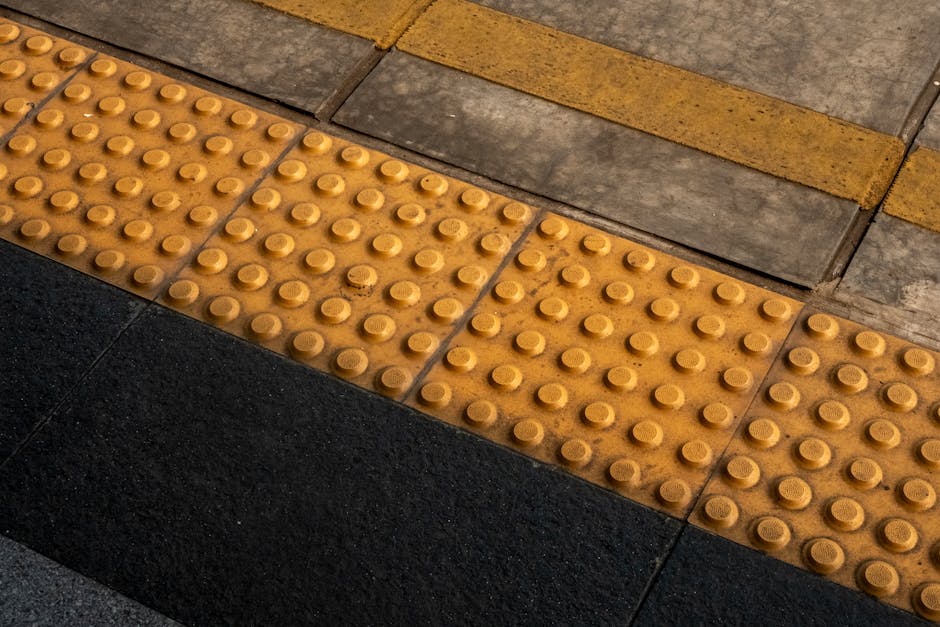
Chadwell Heath Station area quick cleaning guide for commuters
If you use Chadwell Heath Station regularly, you already know the small messes pile up fast. Mud on the shoes after a damp morning. Coffee drips on a sleeve. A greasy fingerprint on a phone screen. Nothing dramatic, but enough to make a commute feel messy before the day has even started. This Chadwell Heath Station area quick cleaning guide for commuters is designed for exactly that kind of reality: short on time, moving quickly, and needing a neat, practical way to stay presentable without turning your morning into a cleaning project.
The aim here is simple. Help you keep clothes, bags, and nearby surfaces clean with a few fast habits, sensible products, and a realistic plan for when something needs more than a wipe-down. Let's face it, not every stain waits politely until you get home.
Table of Contents
- Why this quick cleaning guide matters
- How the quick cleaning routine works
- Key benefits and practical advantages
- Who this guide is for
- Step-by-step guidance
- Expert tips for better results
- Common mistakes to avoid
- Tools, resources and recommendations
- Law, compliance, standards, or best practice
- Options, methods, and comparison table
- Case study or real-world example
- Practical checklist
- Conclusion
- Frequently asked questions
Why Chadwell Heath Station area quick cleaning guide for commuters Matters
Commuter cleaning sounds minor until you miss it. Then the little things start to show: a collar that looks tired, a tote bag with a damp mark, train seat crumbs that cling to your coat, or a backpack that has picked up grime from platforms, pavements, or a wet commute through East London weather. In a station area, you are moving through a lot of contact points in a short space of time. Handrails, benches, pavement splashes, takeaway cups, drizzle, dust, and everything in between.
A quick cleaning habit matters because it helps you stay comfortable and look after items you use every day. It also reduces the chance of a small spill becoming a stubborn stain later. Truth be told, most "big cleaning jobs" start as tiny ones that were left too long.
There is also a trust angle if you are travelling to work meetings, customer visits, or shared offices. A fresh-looking coat or bag quietly says you have your act together, even if the 7:42 was chaos and you had to jog the last bit to the station.
Expert summary: commuter cleaning works best when it is quick, portable, and preventive. The goal is not perfection. The goal is to stop everyday dirt from turning into long-term damage.
How Chadwell Heath Station area quick cleaning guide for commuters Works
The routine is built around three stages: spot, lift, and protect. Spot the problem early, lift it with the right method, then protect the item so the issue does not return or spread.
For commuters, that often means working with limited time and limited space. You are not setting up a full laundry station on the platform, obviously. Instead, you keep a small kit in your bag or at home, and you learn what to do in the first five minutes after a spill or muddy mark appears.
The practical approach depends on the item:
- Clothing: blot, avoid rubbing, and air dry if possible.
- Bags: brush off dry dirt, wipe gently, and test any cleaner first.
- Shoes: remove surface mud early before it hardens.
- Car seats or upholstery near the commute route: spot clean only if the material allows it, then dry properly.
If you are dealing with larger or recurring marks at home, it can make sense to look at specialised services such as stain removal or fabric care options like upholstery cleaning. That is especially useful where office bags, commuter coats, or shared household seating pick up regular wear.
Key Benefits and Practical Advantages
The real value of a commuter quick-clean routine is not just cleanliness. It is speed, confidence, and less stress later in the week. If you keep on top of things for a minute or two at a time, you usually avoid the more annoying weekend rescue mission. And who needs that after a long week?
- Less visible grime: small marks are handled before they set.
- Better first impression: useful for work, interviews, or client-facing days.
- Longer item life: bags, trainers, coats, and scarves last better when dirt is removed gently.
- Less odour build-up: damp fabric and train-day moisture can quickly develop an unpleasant smell.
- More predictable mornings: you waste less time hunting for a clean shirt or wiping down a bag at the last minute.
There is also a subtle comfort benefit. Dry, clean fabric feels better against the skin on a long commute, especially when the weather flips between cold pavement air and overheated carriage warmth. You notice it more than you think.
For items that get heavy use, like work shoes, sofas in shared homes, or the rug by the front door where commuters dump wet footwear, it may be worth exploring dedicated care pages such as carpet cleaning and rug cleaning. These are not just cosmetic fixes; they help manage the traffic that comes with busy daily routines.
Who This Is For and When It Makes Sense
This guide is for anyone who passes through Chadwell Heath Station and wants to stay tidy without overthinking it. That includes office commuters, hospitality staff, carers, students, freelancers, tradespeople, parents on the school-run-plus-train schedule, and anyone else with a "grab it and go" routine.
It makes sense if you:
- spill drinks on the way to the train more often than you would like to admit
- walk in wet weather and end up with muddy hems
- carry laptops, lunch, or gym kit in the same bag as work items
- share seating, vehicles, or home spaces that pick up commuter dirt
- need a decent-looking presentation with very little time
It also makes sense if you are deciding whether to handle things yourself or call in help later. A quick commuter wipe-down can solve a lot. But if stains are recurring, odour is building, or the fabric is delicate, there is a point where it is better to stop improvising. That's just common sense.
People dealing with pet hair on coats, odour transfer, or muddy fibres from home and journeying life may also find pet stain and odour removal relevant, especially if the same materials are being used on trains, buses, and around the house.
Step-by-Step Guidance
A good commuter clean needs to be fast enough to actually happen. Below is a simple sequence that works for most day-to-day marks and spillages.
- Pause before you rub. Rubbing usually spreads the mess and can push it deeper into fibres.
- Identify the material. Cotton shirt, nylon bag, leather shoe, wool scarf, coated seat fabric? The material matters a lot more than people realise.
- Blot liquids immediately. Use a clean tissue, cloth, or absorbent wipe. Press gently. Don't scrub like you are sanding a floor.
- Lift dry dirt first. Mud, dust, and crumbs should be brushed or shaken off before using moisture.
- Use a tiny amount of cleaner. Start small. A little goes further than you think, and too much moisture often causes a bigger problem later.
- Test on a hidden area. Especially for bags, jackets, and upholstered surfaces.
- Dry properly. Air drying is usually safest. If you trap dampness in a bag or coat pocket, you may end up with odour.
- Finish with protection. Store the item separately, keep wet shoes away from soft fabrics, and avoid folding anything damp into a tight rucksack.
If the stain is on a sofa, office chair, or seat you use during the commute-to-home transition, you may need a more structured approach. In those cases, sofa cleaning or steam-based care such as steam carpet cleaning can be a sensible follow-up, provided the material and manufacturer guidance allow it.
A simple 5-minute commuter reset
Here is the version many people can actually stick to on a weekday evening:
- Empty the bag completely.
- Shake out crumbs and loose grit.
- Wipe hard surfaces with a slightly damp cloth.
- Check straps, corners, and base panels for grime.
- Leave the bag open to dry for a while before packing it again.
One line summary? If you can do it while the kettle boils, you are probably doing it right.
Expert Tips for Better Results
Small improvements make a surprisingly big difference here. You do not need a full cleaning cupboard. You need the right habits.
- Keep a dedicated mini-kit. A folded cloth, a few tissues, a stain wipe, and a spare tote or bag liner can save the day.
- Separate clean and dirty layers. Put muddy shoes or wet umbrellas in a sleeve or outer compartment so they do not contaminate everything else.
- Work from the outside in. When cleaning a mark, start at the edge and move inward so the stain does not spread.
- Use less water than you think. Over-wetting is a classic mistake. It can create tide marks or lingering smells.
- Mind the heat. Hot drying can set some stains, especially on synthetic fibres. Gentle drying is usually safer.
- Clean before storage. Don't shove a slightly dirty coat into a wardrobe and hope for the best. That's how little smells become permanent house guests.
A practical real-world observation: the best commuter cleaners are the ones that fit into your life without drama. If the method feels too fussy, you will stop using it by Thursday. Keep it simple.
For soft furnishings that pick up commuter dust and street grime, regular care can be supplemented by curtain cleaning if the same home environment is taking a beating from wet shoes, open windows, and the general in-and-out pattern of a busy household.
Common Mistakes to Avoid
A lot of cleaning problems are not caused by the stain itself. They are caused by the first attempt to deal with it.
- Rubbing instead of blotting: this spreads residue and can damage fibres.
- Using the first product you find: not every fabric likes the same cleaner.
- Skipping a patch test: a tiny hidden test can prevent a big visible mistake.
- Leaving damp items sealed in a bag: hello, odour and mildew risk.
- Trying to rescue everything with one method: mud, coffee, rainwater marks, and grease all behave differently.
- Ignoring persistent smells: odour often means moisture or deeper contamination, not just surface dirt.
One of the most common commuter mistakes is waiting until the end of the week to inspect a bag, coat, or pair of shoes. By then, the mess has settled in. Honestly, it's a bit like leaving a tea bag in the mug for three days and hoping it still looks fresh.
If the issue keeps returning in clothing or household fabrics, a deeper textile approach such as upholstery cleaning or carpet cleaning may be the more efficient long-term answer than repeated quick fixes.
Tools, Resources and Recommendations
You do not need an elaborate kit, just a sensible one. For most commuters, these are the most useful items to keep nearby:
- microfibre cloths
- soft brush or clothes brush
- pack of tissues or paper towel
- small zip pouch for wet or dirty items
- gentle fabric-safe cleaner
- spare socks or shirt for the truly unfortunate days
- portable lint remover
For homes with heavy footfall, hall rugs and entrance carpets can collect a lot of whatever you bring in from the station area, especially in wet months. That is where rug cleaning and broader fabric maintenance become genuinely useful rather than just nice to have.
If you want professional help, look for a service that explains what it will and will not treat, how it handles drying, and what safety measures are in place. Good providers should be clear about expectations and transparent about the care process. For example, you can review practical details on insurance and safety and the company's approach to health and safety policy before making a decision.
Law, Compliance, Standards, or Best Practice
For a commuter cleaning routine, the main compliance concern is usually not a complicated law. It is safe product use, material care, and sensible hygiene practice. In the UK, the basic expectation is that products are used according to their instructions and that cleaning is done in a way that avoids unnecessary risk to fabrics, people, or property.
Best practice also means being careful with shared spaces. If you are cleaning at work, in a station-adjacent office, or in a communal area, keep moisture low, avoid strong smells, and make sure surfaces are left safe and dry. Nobody wants a freshly cleaned seat that is still soggy at 8:15 in the morning.
For businesses serving commuters, commercial environments need extra care. Shared seating, reception areas, and high-traffic floors benefit from a more formal plan, which is where commercial carpet cleaning can be relevant. It is not about polishing every last fibre; it is about keeping spaces presentable, hygienic, and usable.
Also worth noting: if a company handles your belongings or enters your property, you should expect clear terms, fair payment practices, and a straightforward complaints route. You can check the site's terms and conditions, payment and security, and complaints procedure if you want that extra reassurance.
Options, Methods, and Comparison Table
Not every commuter mess needs the same response. Here is a plain-English comparison of the main options.
| Method | Best for | Pros | Limitations |
|---|---|---|---|
| Quick blot and air dry | Fresh spills, rain marks, light grime | Fast, cheap, easy to repeat | Not enough for set-in stains |
| Gentle spot cleaning | Small marks on fabric, bags, shoes | More targeted, still practical | Needs care and patch testing |
| Deep professional cleaning | Large stains, odour, recurring dirt | More thorough, longer-lasting result | Takes planning and may cost more |
| Preventive protection | High-use items and home entrances | Reduces future mess | Does not remove existing damage |
In many homes, the smartest approach is to combine methods. Do the quick clean now, then schedule a deeper clean later if the item still looks tired. That is usually better than throwing five products at one mark and hoping for a miracle.
If you are comparing service help for soft furnishings, sofa cleaning and mattress cleaning are especially relevant for commuters whose day starts and ends on a couch, a bed, or a shared living space that sees a lot of traffic.
Case Study or Real-World Example
Picture a fairly typical weekday. A commuter leaves Chadwell Heath just after a drizzly morning. A takeaway coffee gets knocked slightly in the crowd, the lower sleeve picks up a splash, and the front of a tote bag catches a bit of street grit. Nothing terrible, just annoying. By the time they arrive at work, the stain is still damp but smaller than it could have been.
They use a tissue to blot the coffee. At lunch, they wipe the bag strap with a damp microfibre cloth and let it dry open under a desk rather than sealing it back up. That evening, they brush the shoe edge and empty the bag before putting it away. Result? No lingering smell, no spreading mark, no panicked Friday-night rescue.
Now compare that with leaving the same items stuffed into a hallway corner until the weekend. By Saturday, the bag smells a bit stale, the sleeve has dried with a shadow mark, and the shoes have a rough salt line. Same commute, very different outcome. Tiny habits matter.
Practical Checklist
Use this quick checklist before or after your commute. It keeps the process simple.
- Check for wet marks, mud, and surface dust before storing items.
- Blot spills quickly rather than rubbing them.
- Keep a small cleaning cloth or wipe in your bag.
- Air dry damp items as soon as possible.
- Separate clean clothing from dirty shoes or umbrellas.
- Test cleaners on hidden areas first.
- Do not over-wet fabrics or seams.
- Inspect bags, collars, cuffs, and hems weekly.
- Use deeper cleaning when stains, odour, or wear keep coming back.
- Replace worn cloths and disposable items before they stop doing the job.
Quick takeaway: the best commuter cleaning routine is short, repeatable, and gentle. If you can keep it under five minutes and actually do it, that beats a perfect routine you never open.
Conclusion
Chadwell Heath commuters do not need complicated cleaning routines. They need practical ones that fit real mornings, real weather, and real-life mess. A quick blot here, a brush-off there, a proper dry-down at home, and suddenly the small stuff stops piling up. That is the whole idea behind this Chadwell Heath Station area quick cleaning guide for commuters: less stress, less wear, and a cleaner start to the day.
If your commute is regularly leaving marks on fabrics, flooring, or furniture, there is no shame in getting help with the deeper jobs. In fact, that is usually the smart move. Quick habits handle the daily mess; professional care handles the stubborn stuff.
Get a free quote today and see how much you can save.
And if nothing else, at least your coffee stains will no longer get the final say.
Frequently Asked Questions
What is the best quick cleaning routine for commuters near Chadwell Heath Station?
The best routine is usually a simple blot, lift, and dry method. Remove loose dirt first, blot spills instead of rubbing, and let items air dry as soon as you can.
How do I clean a coffee spill on the way to work?
Blot the spill immediately with tissue or a clean cloth, avoid rubbing, and if possible dab the area lightly with a fabric-safe cleaner once you are somewhere safe to stop. Dry it properly afterwards.
Can I use the same cleaner on clothes, bags, and shoes?
Not always. Different materials react differently, so check the care label or test a hidden area first. What works on a bag may be too harsh for a scarf or coat lining.
How do I stop my commuter bag from smelling damp?
Empty it regularly, wipe out moisture, and leave it open to air dry. If wet items are kept sealed inside, odour can build up surprisingly fast.
What should I keep in a commuter cleaning kit?
A microfibre cloth, tissues, a small brush, and a fabric-safe cleaner are the basics. A spare pouch for wet items is also very handy, especially in winter.
Is it safe to spot clean upholstery at home?
It can be, if the material allows it and you use minimal moisture. Patch test first, and do not soak the fabric. If the stain is large or keeps returning, professional help may be safer.
When should I choose professional cleaning instead of quick fixes?
If the stain is old, greasy, odorous, or on a valuable item, professional cleaning is often the better choice. Quick fixes are for immediate control, not every situation.
How often should commuters clean bags and shoes?
Light surface cleaning once a week is a sensible baseline for frequent users. Wet or muddy days may need a same-day wipe-down so grime does not settle in.
Are steam-based methods suitable for commuter stains?
Sometimes, yes, but only where the fabric and item are suitable for heat and moisture. Always check the care guidance first. For some materials, steam is useful; for others, it can do more harm than good.
What is the biggest mistake people make with commuter stains?
Rubbing too hard. It is the classic one. Rubbing spreads the stain, pushes it deeper, and can rough up the fabric surface.
Can a commuter cleaning routine help with home carpets too?
Yes, because the same dirt that lands on your coat often gets walked into the house. Entrance mats, hall carpets, and rugs usually benefit from regular attention as part of the same routine.
Where can I find more information about service standards and policies?
You can review the site's policy pages, including about us, privacy policy, and recycling and sustainability, for more detail on how the business approaches trust, care, and customer handling.